
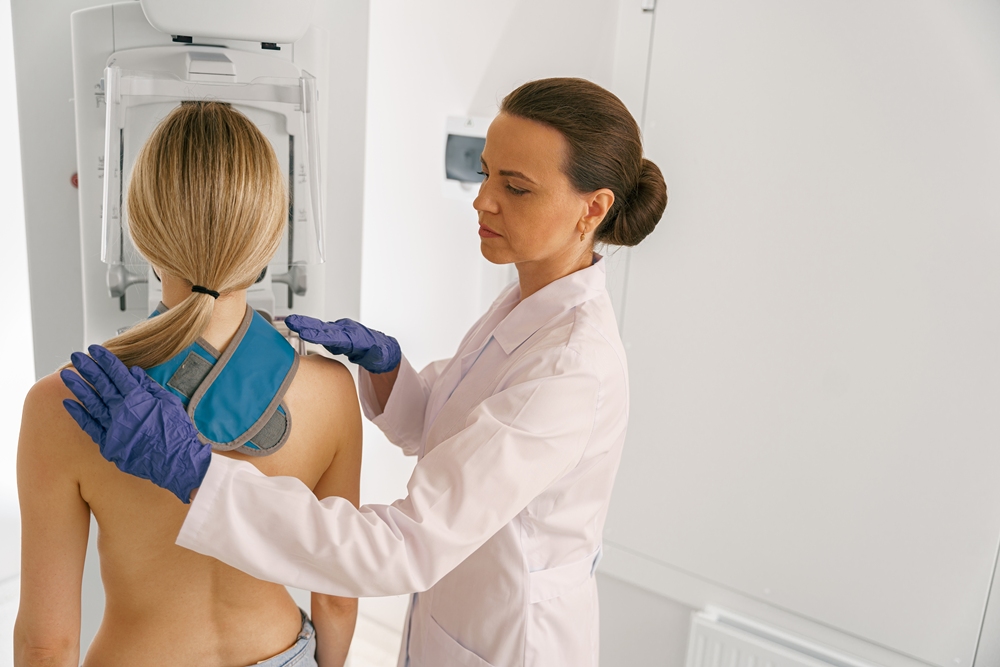
A new report looks at how artificial intelligence works in mammography screening. Researchers shared evidence from the MASAI trial to show how smart software helps doctors read breast scans. They also pointed out clear gaps in how health agencies regulate these tools today.
What is AI mammography screening?
Mammography screening is a routine X-ray test that doctors use to spot early signs of breast cancer. Radiologists must look at hundreds of scan images every day to find small spots or changes in health tissue. Adding computer tools to this process helps doctors double-check their work and catch tiny signs that human eyes might miss.
The MASAI trial is a major clinical study that tests this exact tech in real hospital settings. Experts want to see if automated software can cut down on mistakes and speed up the time it takes to give patients their results. Early facts show that smart software can be a big help for busy medical teams.
How does artificial intelligence help doctors read scans?
When a patient gets a mammogram, the software scans the digital image first. It marks areas that look unusual so the human doctor knows where to focus their attention. This two-step check makes sure that fewer warning signs get skipped during quiet or late-shift work hours.
Using tech this way does not mean replacing human care. Instead, it gives radiologists a strong assistant that works alongside them. Patients get safer reviews, and doctors get extra confidence when they send out final health reports.
Why are there gaps in medical device regulation?
Even though the clinical trial shows good evidence, rules for building and selling these tools are falling behind. Health agencies have old guidelines that were made for physical machines, not self-learning computer code. This makes it hard for regulators to judge if an update to the software is safe for every patient.
Experts say governments must update their rules fast. Clear standards will help safe software reach clinics quicker while keeping bad or untested tools out of public hospitals. Without strong rules, both doctors and patients could face unnecessary risks.
What is AI mammography screening doing for patients next?
As research from trials like MASAI grows, more hospital networks plan to test these tools in their own centers. Patients will likely see faster turnarounds for their test results in the near future. Catching illness early usually leads to much better treatment options and outcomes.
Moving forward, health leaders must balance fast medical progress with careful safety checks. Readers should watch for new updates from health agencies regarding medical software rules. Safe regulation will ensure that modern screening tools help as many people as possible.





0 Comments